
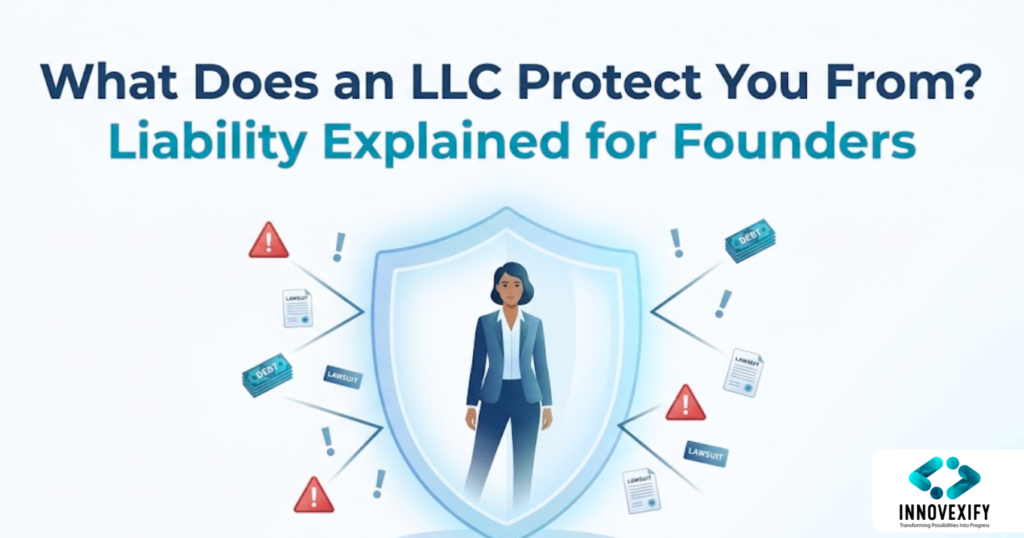
Running a global business comes with immense opportunities, but it also carries financial risks. If a client sues your company or a vendor demands unpaid business debts, your hard-earned personal savings shouldn’t be on the line. That is exactly why entrepreneurs, freelancers, and startups worldwide turn to the Limited Liability Company structure.
But how does an LLC protect you in practice? For many non-US residents looking to access global payment platforms like Stripe or PayPal, forming a US LLC is about more than just securing payment gateways. It provides a strict legal shield separating your business activities from your personal life.
In this guide, we will break down exactly what kind of coverage an LLC provides. You will learn about llc asset protection, how legal disputes affect your company, and what steps you need to take to ensure your personal bank accounts and property remain completely secure.
Understanding LLC liability protection
The primary reason founders choose to form an LLC is to create a distinct legal entity. When you start your US LLC from anywhere in the world, the law treats that business as a separate “person.” This separation is the foundation of llc liability protection.
If your business takes on a loan, signs a lease, or enters into a vendor contract, the LLC is the responsible party. If the business fails to pay those debts, creditors can only go after the assets owned by the LLC itself. Your personal bank accounts, your home, and your personal investments remain out of reach. This powerful separation is known as limited liability company asset protection, and it is a massive advantage for founders looking to scale securely.
Does an LLC protect your personal assets?
Yes, an LLC provides a robust barrier between your business obligations and your personal wealth. If your company faces severe financial hardship or bankruptcy, the creditors generally cannot seize your personal money to settle the business debts.
However, this protection is not automatic or bulletproof if you handle your finances poorly. To maintain asset protection for business owners, you must keep your personal and business finances strictly separate. This means opening a dedicated business bank account and never paying personal bills with the company debit card. Mixing funds can lead a court to “pierce the corporate veil,” which removes your protection entirely.
How does an LLC protect you in a lawsuit?
Lawsuits are a major concern for any growing business. A common question from new founders is: how does an LLC protect you in a lawsuit?
If someone sues your business for negligence, breach of contract, or an injury that occurred on company property (or due to a company product), the lawsuit is filed against the LLC, not you personally. The plaintiff can only target the money and property held in the business’s name. This llc protection from lawsuit means that even if the company loses the case and is forced to close, your personal life and savings remain unaffected.
Does an LLC protect you from personal liability?
While the LLC protects you from business liabilities, it does not protect you from personal wrongdoing. If you personally guarantee a business loan, you have bypassed the LLC’s protection for that specific debt. Similarly, if you commit fraud, intentionally harm someone, or fail to deposit taxes withheld from employees’ wages, you can be held personally liable. An LLC is a shield for legitimate business risks, not a free pass for illegal or deeply negligent actions.
Can personal debt affect an LLC?
Many founders wonder what happens in reverse: if you have high personal debts, can creditors take your business? If you are sued personally (for example, in a personal car accident), creditors typically cannot seize the assets inside your LLC. Instead, they might receive a “charging order,” which gives them the right to any distributions the LLC pays out to you. The business itself, and its internal assets, usually remain secure, ensuring that your company can continue to operate.
FAQs
Does an LLC really protect you?
Yes, an LLC genuinely protects you by legally separating your business entity from your personal identity. As long as you maintain clear financial boundaries and follow basic compliance rules, your personal assets are shielded from business-related debts and legal actions.
Can an LLC protect your personal assets?
Absolutely. The core benefit of an LLC is protecting your personal bank accounts, real estate, and investments. If the business goes bankrupt or faces a lawsuit, creditors can only claim the assets owned by the LLC.
How does an LLC protect you in a lawsuit?
If your business is sued, the legal action targets the LLC itself. The court cannot award the plaintiff your personal assets to satisfy a judgment against the business. You only risk what you have invested in the company.
Will an LLC protect my assets from personal debt?
In most states, if a creditor sues you for a personal debt, they cannot simply seize your LLC’s equipment or bank accounts. They can only place a claim on the profits distributed to you, meaning the underlying business operations are protected.
What does an LLC cover?
An LLC covers standard business debts, vendor disputes, commercial lease obligations, and lawsuits arising from regular business operations. It does not cover personal negligence, fraud, or debts that you have personally guaranteed.
Secure your global business today
Navigating international business growth requires a solid legal foundation. Understanding how an LLC protects you gives you the confidence to sign contracts, take on clients, and expand your operations globally without risking everything you own.
With simple and fast LLC formation, you can secure your business and access essential global payment platforms like Stripe and PayPal. Our remote business setup services help non-US residents obtain an EIN without an SSN and maintain total compliance. Start your US LLC journey today and build a protected, thriving global enterprise.